
Dr. Furkan Büyükgebiz
General & Aesthetic Dentistry
Oral health before pregnancy matters more than most expectant mothers realise. Serious gum disease left untreated before pregnancy has been linked to preterm delivery, miscarriage, and low birth weight. A regular oral hygiene routine, and treating any gum disease before you conceive, is one of the simplest ways to protect a healthy pregnancy.
Nausea and vomiting in early pregnancy also create a more acidic environment in the mouth, which can lead to enamel erosion, sensitivity, and cavities.
Brushing immediately after being sick is actually a common mistake — it can grind acid into already-softened enamel. Rinse with plenty of water instead, and wait about half an hour before brushing.
Why Have a Dental Check-Up Before Pregnancy?
Oral infections that develop during pregnancy have been associated with preterm delivery, miscarriage, and a more difficult pregnancy overall. Getting checked and treating any problems beforehand means a stress-free pregnancy with one less thing to worry about.

Oral Health After Conception
The hormone surge of early pregnancy increases the tendency toward gum inflammation. Combined with more frequent snacking and, for some, harder-to-maintain oral hygiene, plaque buildup can lead to gingivitis (swollen, bleeding, red gums) or a benign pregnancy tumour on the gums.
Should I See a Dentist During Pregnancy?
Yes, a check-up every three months throughout pregnancy is recommended, so any changes are caught and treated early.
When Is It Safe to Have Dental Treatment?
The safest window is the second trimester — roughly months three to six. Your baby's organs are developing during the first trimester, and unnecessary procedures during that window are best avoided. By the third trimester, sitting comfortably in the chair becomes difficult, and excessive stress can risk premature labour.
Outside the second trimester, only emergency treatment should be carried out, and always in coordination with your gynaecologist.
Is Anaesthesia Safe During Pregnancy?
If there are no allergies or complications, local anaesthesia can be used when necessary, planned together with your gynaecologist.
What About Dental X-Rays?
The radiation from a dental X-ray doesn't reach the abdomen directly, but a lead apron should always be worn as a precaution. Where possible, X-rays are avoided or kept to the minimum needed during pregnancy.
Which Treatments Should Wait Until After Birth?
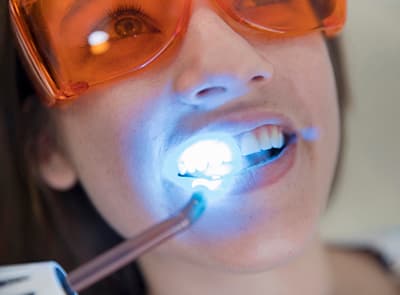
Purely elective or cosmetic treatments, such as teeth whitening or veneers, are generally postponed until after delivery, not because they carry a proven risk, but because there is no need to introduce any extra chemicals or procedures during pregnancy when the treatment can simply wait a few months. Necessary treatment, such as fixing an active infection, a broken tooth, or painful decay, should not be postponed, since an untreated infection is a greater risk than a well-timed dental visit.
Aftercare Tips for Expecting Mothers
A few adjustments make a real difference during pregnancy:
- Wait about 30-60 minutes before brushing after being sick, and rinse with plain water or a fluoride mouthwash in the meantime, to avoid brushing stomach acid into the enamel
- Use a soft-bristled toothbrush if gums feel more sensitive or bleed more easily than usual, a common change during pregnancy
- Mention every medication and supplement you are taking to your dentist before any treatment or X-ray
- Keep up your regular check-up schedule rather than skipping it "just for now", since gum inflammation is more common during pregnancy and is easier to manage early