
Dr. Aşkın Dilara Kaynak
Maxillofacial & Oral Surgeon
Missing most or all of your teeth in one jaw does not mean removable dentures are the only option. All-on-4 and All-on-6 both replace a full arch of teeth on a small number of implants, fixed in place, but they are not interchangeable, the right one depends on your bone and your priorities.
What All-on-4 and All-on-6 Have in Common
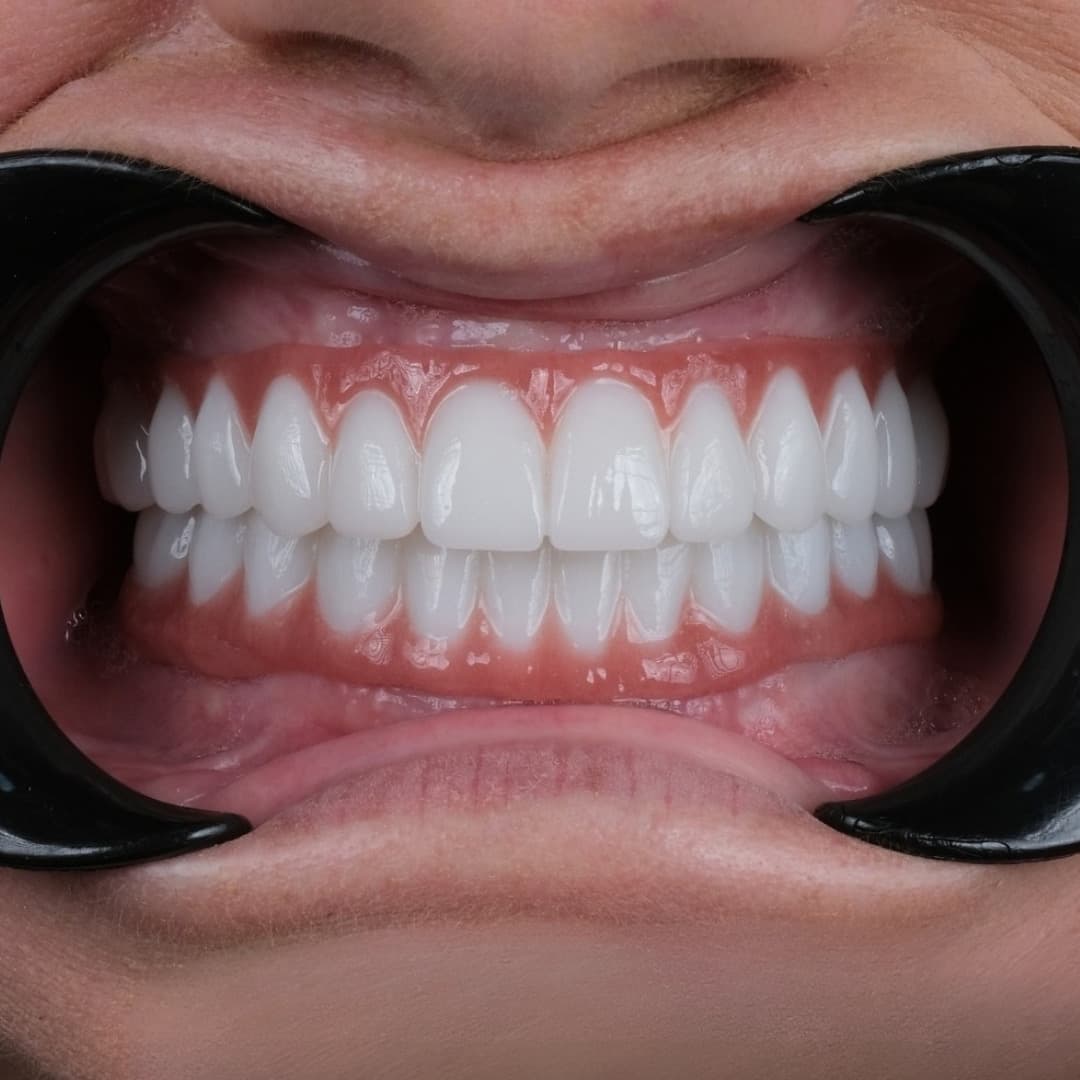
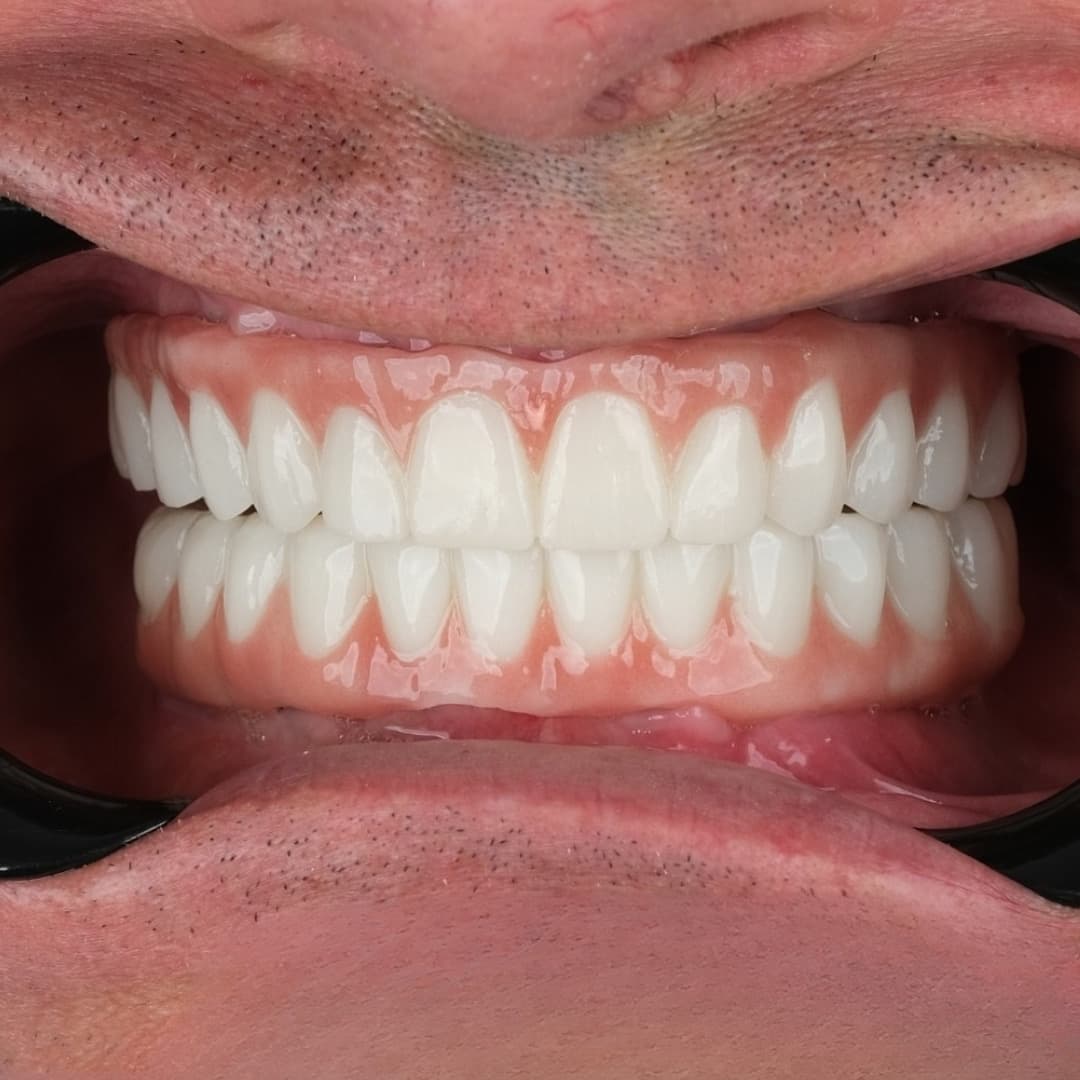
Both techniques fix a complete arch of replacement teeth onto implants placed in the jawbone, both are designed to be permanent (not removed for cleaning like a denture), and both can often be finished with a fixed temporary set of teeth on the same day as surgery.
All-on-4: How It Works
All-on-4 uses just four implants per arch. Two are placed straight at the front of the jaw, and two are angled towards the back, a positioning that makes the most of the bone that is available and can avoid the need for a bone graft even in patients with some bone loss.
All-on-6: How It Works
All-on-6 uses six implants per arch, spreading the biting load across two more implants than All-on-4. This needs more available bone volume (or grafting where it is not naturally there), but distributes chewing force more evenly and adds a margin of safety if one implant were ever to need attention.
Cost and Treatment Time
All-on-4 uses fewer implants and less surgical time, which generally makes it the more affordable and faster option of the two. All-on-6 costs more upfront, largely because of the two extra implants, but some patients find the added stability worth that difference.
Which One Needs More Bone?
This is usually the deciding factor. All-on-4’s angled back implants were specifically designed to work with less bone, making it the better starting point for patients with moderate to advanced bone loss. All-on-6 is a better fit for patients who already have good bone density and want the extra support the additional implants provide.
Which Lasts Longer?
Both are long-lasting solutions, typically 15-20+ years with proper care. All-on-6 may see slightly less wear per implant over time since the load is shared across more implants, while All-on-4 is also durable but may benefit from more frequent check-ups to confirm even pressure distribution.
How to Decide
If you are on a tighter budget or have noticeable bone loss, All-on-4 is usually the more practical, cost-effective solution. If you prioritise maximum long-term stability and already have strong bone density, All-on-6 may be worth the extra investment. Either way, the right answer comes from a 3D scan and a consultation, not a guess.
Frequently Asked Questions
Can I switch from All-on-4 to All-on-6 later?
In some cases, yes, additional implants can be added later if your bone and prosthesis allow it, but this is a bigger procedure than planning for the right number from the start. It is worth discussing your long-term priorities before your first surgery.
Do both options look natural?
Yes. Both are finished with a custom, natural-looking prosthesis (typically zirconium or porcelain), planned around your face and smile, regardless of whether it sits on four or six implants underneath.