All-on-4 Dental Implants Recovery: Timeline, Diet & Aftercare
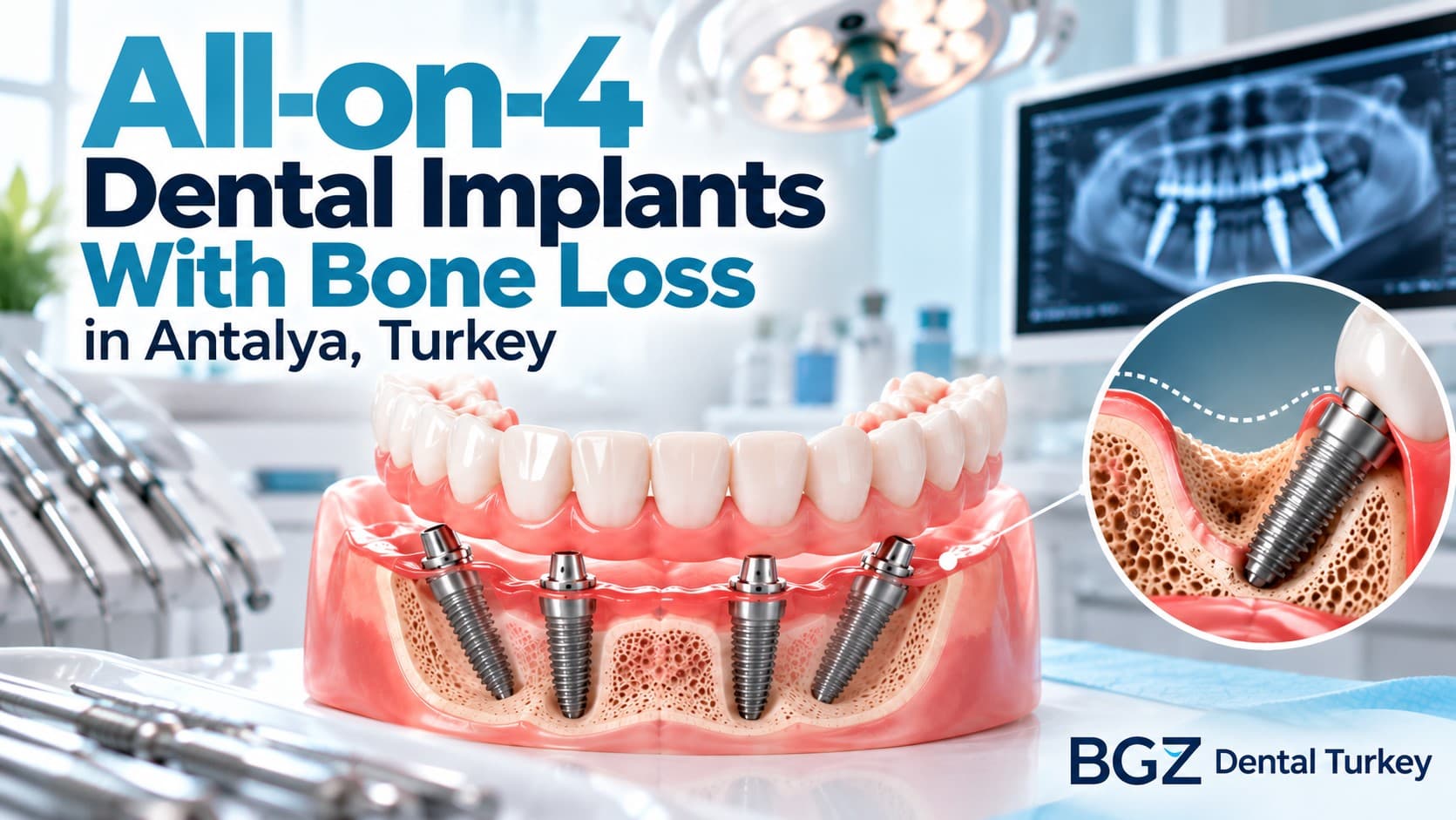
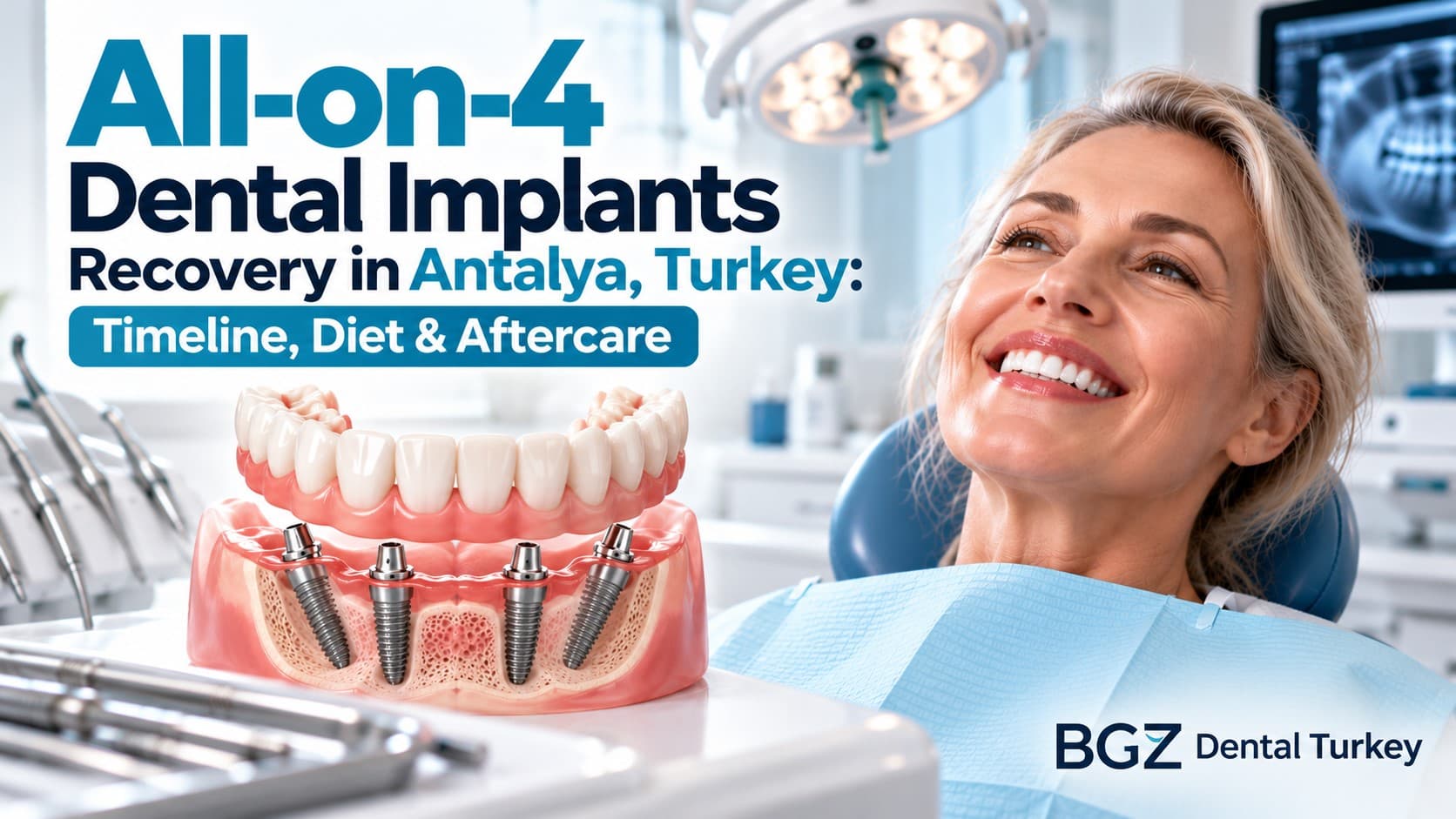
Recovery after All-on-4 dental implant surgery usually involves a few days of swelling and tenderness, several weeks of gum healing, and around three to six months for the implants to integrate with the jawbone. Some patients can receive fixed temporary teeth shortly after surgery, but this does not mean the implants are ready for unrestricted chewing.
If you are travelling to Antalya, Turkey, for All-on-4 treatment, understanding the recovery process can help you plan your stay, meals, follow-up appointments and journey home. This guide explains what to expect at each stage, how to care for your implants and which symptoms should prompt you to contact your dental team.
How Long Does All-on-4 Recovery Take?
Many patients feel considerably more comfortable within one to two weeks. However, the gums usually heal faster than the underlying bone.
Osseointegration, the biological process in which the jawbone forms a stable bond with the implant surface, commonly takes around three to six months. The exact recovery time depends on several factors, including bone quality, general health, implant stability, tooth extractions and whether additional procedures were required.
| Recovery Period | Typical Experience |
|---|---|
| First 24–48 hours | Rest, tenderness, minor bleeding and early swelling |
| Days 3–7 | Swelling generally begins to settle, and discomfort gradually improves |
| Weeks 2–4 | Continued gum healing and a gradual return to everyday activities |
| Months 1–3 | Ongoing bone integration; careful chewing is essential with a temporary bridge |
| Months 3–6 | Assessment of implant stability and readiness for the final restoration |
These are general estimates rather than a fixed recovery schedule. Your treating dentist may recommend a different timeline based on your individual circumstances.
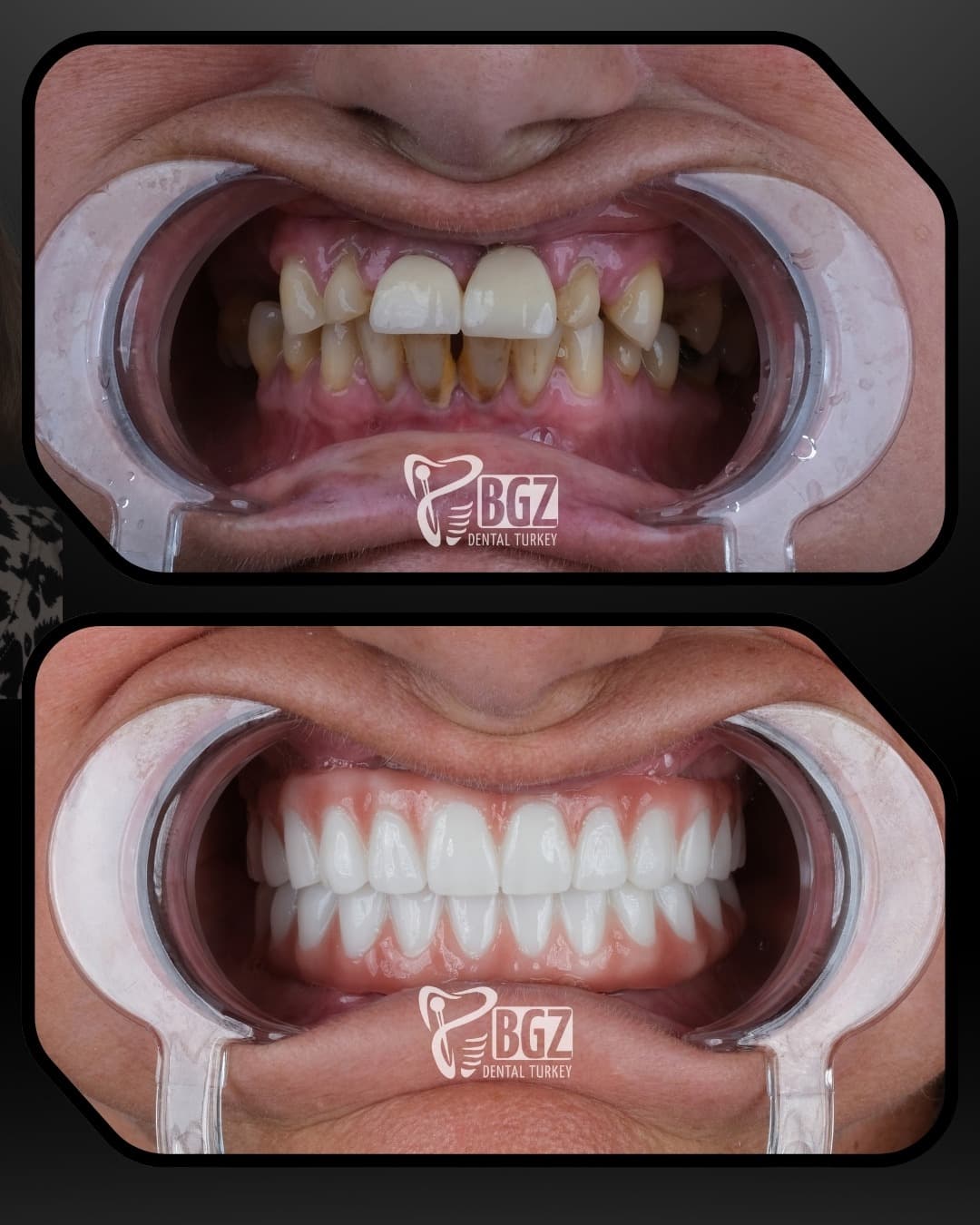
All-on-4 Recovery Timeline: Step by Step
First 24–48 Hours: Protect the Surgical Sites
Once the local anaesthetic wears off, you may notice soreness, swelling or a small amount of bleeding. These are common reactions after implant surgery.
During the first two days, your priority should be to rest and avoid putting unnecessary pressure on the surgical areas. Take prescribed medication as directed. A cold compress applied to the outside of your face may also help reduce swelling if your surgical team recommends it.
- Choose cool or lukewarm foods that require little or no chewing.
- Avoid strenuous exercise, smoking and alcohol.
- Do not rinse vigorously, spit forcefully or touch the surgical sites.
- Contact your clinic if bleeding continues despite following your aftercare instructions, or if anything else concerns you.
Days 3–7: Swelling Usually Starts to Improve
Swelling often reaches its peak around the second or third day before gradually subsiding. You may also notice some bruising around your cheeks or jaw. It may look slightly worse for a day or two before it starts to fade.
If you have received a temporary fixed bridge, speaking may feel slightly different at first. Your tongue and lips need time to adjust to the new shape of your teeth.
Even if you feel comfortable, avoid biting into hard foods. The temporary bridge needs to remain protected while the implants begin healing.
Weeks 2–4: Gum Healing and Daily Routine
By the second week, many patients can return to their usual daily activities. Tenderness and swelling should continue to improve, although some sensitivity may remain.
Your dentist will also check how the gums are healing and whether any stitches need to be removed. Some stitches dissolve naturally, while others require a follow-up appointment.
Keep in mind that feeling better does not mean your implants have fully integrated with the bone. Continue following your dentist’s dietary and oral hygiene instructions, even if your temporary teeth feel secure.
Months 1–3: Bone Integration
During this stage, the bone continues to heal around the implant surfaces, which is essential for long-term stability.
If your temporary bridge was attached soon after surgery, excessive chewing pressure could interfere with healing. That is why your dentist may recommend continuing with soft foods throughout much of this period.
Regular follow-up appointments allow the dental team to examine the gums, check the temporary bridge and identify any problems before they become more serious.
Months 3–6: Assessment for the Final Bridge
Once the implants have healed sufficiently and your dentist is satisfied with their stability, planning for the final restoration can begin.
New impressions or digital scans may be taken to ensure the final bridge fits properly. Depending on your treatment plan, the restoration may be made from zirconia, porcelain-based options or another suitable dental material.
Not everyone receives their final teeth at exactly three or six months. Some patients need additional healing time, particularly if they have undergone bone grafting or other procedures.
What Can You Eat After All-on-4 Surgery?
First 48 Hours: Very Soft Foods
During the first two days, choose foods that are easy to swallow and require minimal chewing. Smooth yoghurt, lukewarm soup, puréed vegetables and soft porridge are usually suitable options.
Avoid very hot food and drinks while your mouth is still numb or sensitive. You should also avoid foods containing hard pieces or small particles that could irritate the surgical areas.
First Two Weeks: Gentle Chewing
As the initial discomfort improves, you can gradually introduce a wider variety of soft foods, provided your dentist approves.
Scrambled eggs, mashed potatoes, soft fish, well-cooked vegetables and soft pasta are practical choices.
However, avoid crusty bread, nuts, hard meat and anything that requires strong biting or prolonged chewing. Cut food into small pieces rather than biting directly into it with your temporary teeth.
During Implant Integration: Follow the Soft-Diet Plan
Patients who receive an immediately loaded temporary fixed bridge may need to follow a soft-food diet for much of the three-to-six-month healing period.
This can feel restrictive, especially when your temporary teeth appear strong and stable. However, the implants are still undergoing biological healing beneath the gums.
Do not return to hard, crunchy or sticky foods simply because you no longer feel discomfort. Your dentist will explain when it is safe to change your diet.
How to Clean All-on-4 Implants During Recovery
Immediately After Surgery
Keeping your mouth clean is important, but the surgical areas need gentle care during the first few days.
Follow your clinic’s instructions regarding brushing, prescribed mouthwash and salt-water rinses. Avoid forceful rinsing and do not direct a water flosser towards fresh surgical wounds unless your dentist specifically advises you to do so.
Continue cleaning any unaffected natural teeth and other areas of your mouth as instructed.
After the Gums Begin to Heal
As the gums recover, your dentist may recommend gradually introducing additional cleaning methods.
These may include a soft toothbrush, specialised bridge floss, interdental cleaning aids or a water flosser used at an appropriate pressure.
The best method depends on the design of your temporary bridge and how well the surrounding tissues have healed. Never force cleaning tools into sensitive areas or underneath a bridge without proper guidance.
After the Final Restoration
Your final All-on-4 bridge will still need daily cleaning, even though the artificial teeth themselves cannot develop cavities.
Plaque can build up around the implants and beneath the restoration. Without proper maintenance, inflammation and peri-implant disease may develop.
Brush twice a day, clean beneath and around the bridge using the recommended tools, and attend regular professional maintenance appointments.
Your dental team can demonstrate the most effective cleaning technique for your particular restoration.
What Should You Avoid After All-on-4 Treatment?
Smoking and Alcohol
Smoking can interfere with wound healing and is associated with a higher risk of implant complications and failure.
Ideally, discuss smoking cessation with your dentist before surgery and avoid tobacco throughout the healing period. Your clinician can explain the risks and recommend suitable support.
Alcohol should also be avoided during the immediate recovery period, particularly when taking medications that may interact with it. Follow your surgeon’s specific advice about when alcohol can be consumed safely.
Heavy Exercise and Hard Foods
Strenuous physical activity soon after surgery may increase swelling or bleeding. Your dentist will advise when you can safely return to exercise.
Hard, crunchy and sticky foods can also place excessive pressure on a temporary bridge and the healing implants.
Even if you feel well enough to resume your normal routine, continue following the activity and dietary restrictions provided by your surgical team.
Teeth Grinding
Clenching or grinding your teeth, particularly during sleep, can place excessive forces on implant-supported restorations.
If you have a history of teeth grinding, mention it during your consultation. Your dentist may recommend a protective appliance when appropriate, particularly after the final bridge has been fitted.
Warning Signs: When Should You Contact Your Dentist?
Some swelling, tenderness and mild discomfort are expected after All-on-4 surgery. These symptoms should generally improve as the days pass.
However, contact your dental team if you notice any of the following:
- Increasing pain or swelling after an initial period of improvement
- Persistent or heavy bleeding
- Pus, unusual discharge or a persistent unpleasant taste
- A temporary bridge that feels loose or moves
- Fever or other signs of infection
- New, worsening or persistent numbness that concerns you
Difficulty breathing or swallowing requires immediate emergency medical attention. Call your local emergency number and do not wait for a routine dental appointment if these symptoms occur.
If you have returned to your home country, contact your treating clinic promptly and seek local dental or medical assessment when necessary.
Planning Your Recovery Trip to Antalya, Turkey
If you are travelling to Antalya for All-on-4 dental implants, plan ahead for both the initial surgical visit and the later restorative stage.
Your first visit may include a dental examination, CBCT imaging, necessary extractions, implant placement and the fitting of a temporary bridge when clinically appropriate.
After surgery, the dental team will need to check your healing and ensure the temporary restoration is functioning correctly.
The final bridge is usually considered after several months, once sufficient implant integration has been confirmed.
Before booking your flights and accommodation, ask your dental team:
- How many days should I stay in Antalya after surgery?
- When will my post-operative appointments take place?
- What should I do if I experience a problem after returning home?
- Will I need a second trip for my permanent teeth?
- When will it be safe for me to fly?
Flying after dental implant surgery depends on your individual clinical circumstances, particularly if additional procedures have been performed. Your surgeon should confirm when you can travel safely.
Frequently Asked Questions
How long does All-on-4 recovery take in Antalya, Turkey?
Initial swelling and discomfort often improve within one or two weeks. However, the implants generally need around three to six months to integrate with the jawbone. Recovery time depends on individual healing factors rather than the country where treatment is performed.
Is All-on-4 recovery painful?
Some tenderness, swelling and bruising are common after surgery. These symptoms usually become easier to manage over the following days. Severe pain or discomfort that becomes worse instead of improving should be assessed by your dentist.
When can I eat normally after All-on-4 implants?
You will usually need to follow a soft-food diet during the early healing period. If you have an immediately loaded temporary bridge, dietary restrictions may continue for several months. Your dentist will advise when you can safely return to harder foods.
Can I fly home after All-on-4 surgery in Turkey?
Many international patients return home after their initial treatment and recommended post-operative checks. However, there is no single safe flying schedule for everyone. Your surgeon should assess your recovery and confirm when travelling is appropriate.
When are permanent All-on-4 teeth fitted?
The final bridge is commonly fitted after sufficient healing, often around three to six months after implant placement. Some patients require a longer period, depending on implant stability, bone healing and any additional treatments.
Can All-on-4 implants fail during recovery?
Yes. Although dental implants have high survival rates, early complications and implant failure can occur. Smoking, infection, poor bone support and excessive forces on healing implants are among the factors that may increase the risk.
How should I clean my temporary All-on-4 bridge?
Cleaning instructions depend on the stage of healing and the design of your temporary restoration. Use the techniques recommended by your dentist and avoid directing water flossers or other cleaning tools at fresh surgical wounds without approval.
Will I need a second visit to Antalya?
Many All-on-4 treatment plans involve a second visit after the implants have integrated with the jawbone. During this visit, the final bridge can be prepared and fitted if healing is satisfactory. Confirm the expected number and timing of visits before arranging your travel.
All-on-4 Treatment and Aftercare at BGZ Dental Turkey
Successful All-on-4 treatment involves more than placing dental implants. Careful surgical planning, a suitable temporary restoration, a protected healing period and ongoing maintenance all contribute to long-term results.
At BGZ Dental Turkey in Antalya, patients can discuss the different stages of their treatment, expected recovery times and follow-up arrangements before making a decision.
If you are considering All-on-4 dental implants in Antalya, Turkey, contact BGZ Dental Turkey to request a personalised assessment and learn more about your treatment options and recovery plan.
Medical note: This article provides general educational information and does not replace personalised advice from your treating dentist or oral surgeon.