
Dr. Cihat Büyükgebiz
Cosmetic Dentistry, Smile Design & Veneers
A common worry before getting veneers is whether they will weaken or shorten the life of the natural tooth underneath. The short answer is no, a properly placed veneer protects the tooth rather than damaging it.
How a Veneer Actually Sits on the Tooth
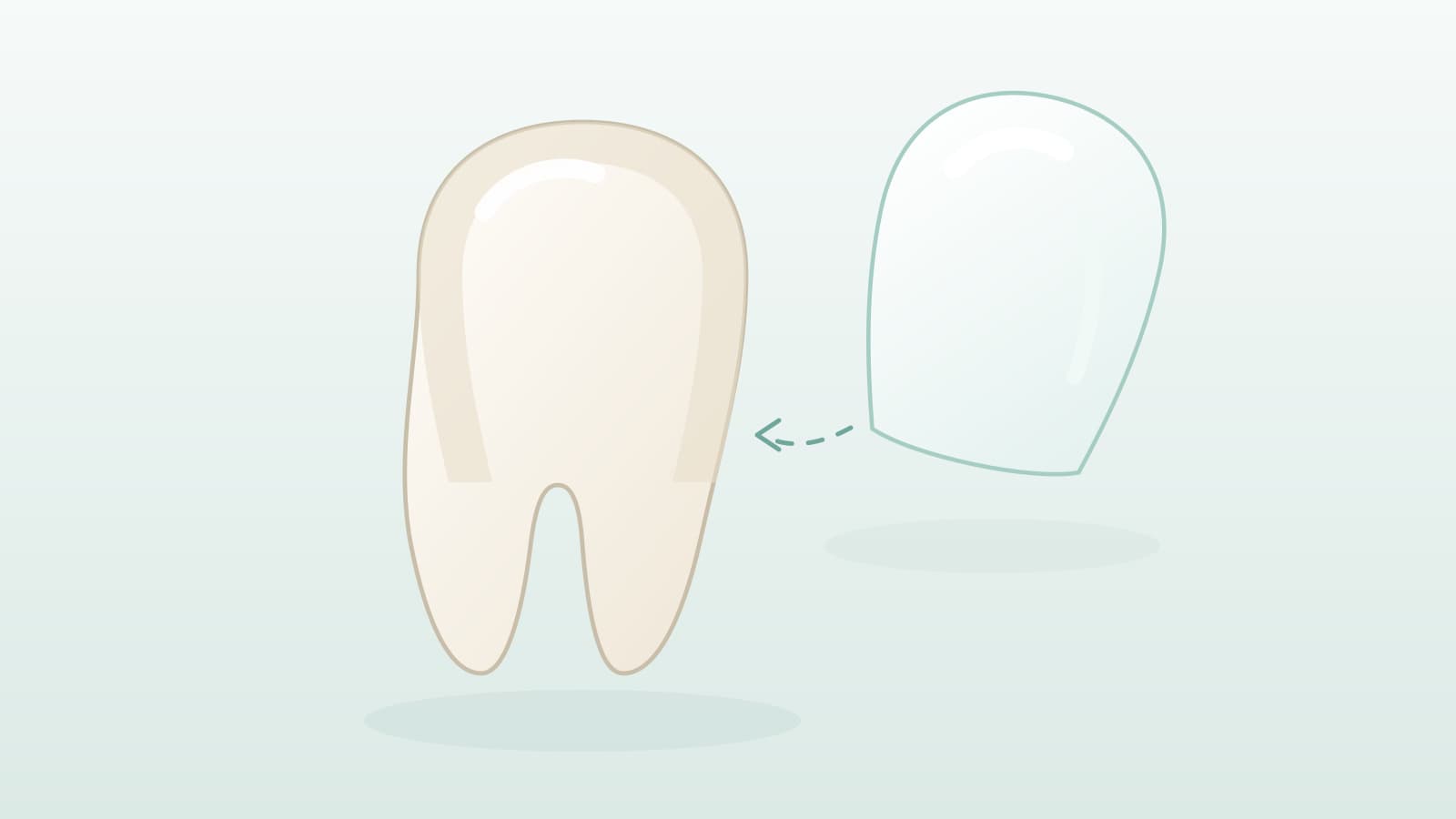
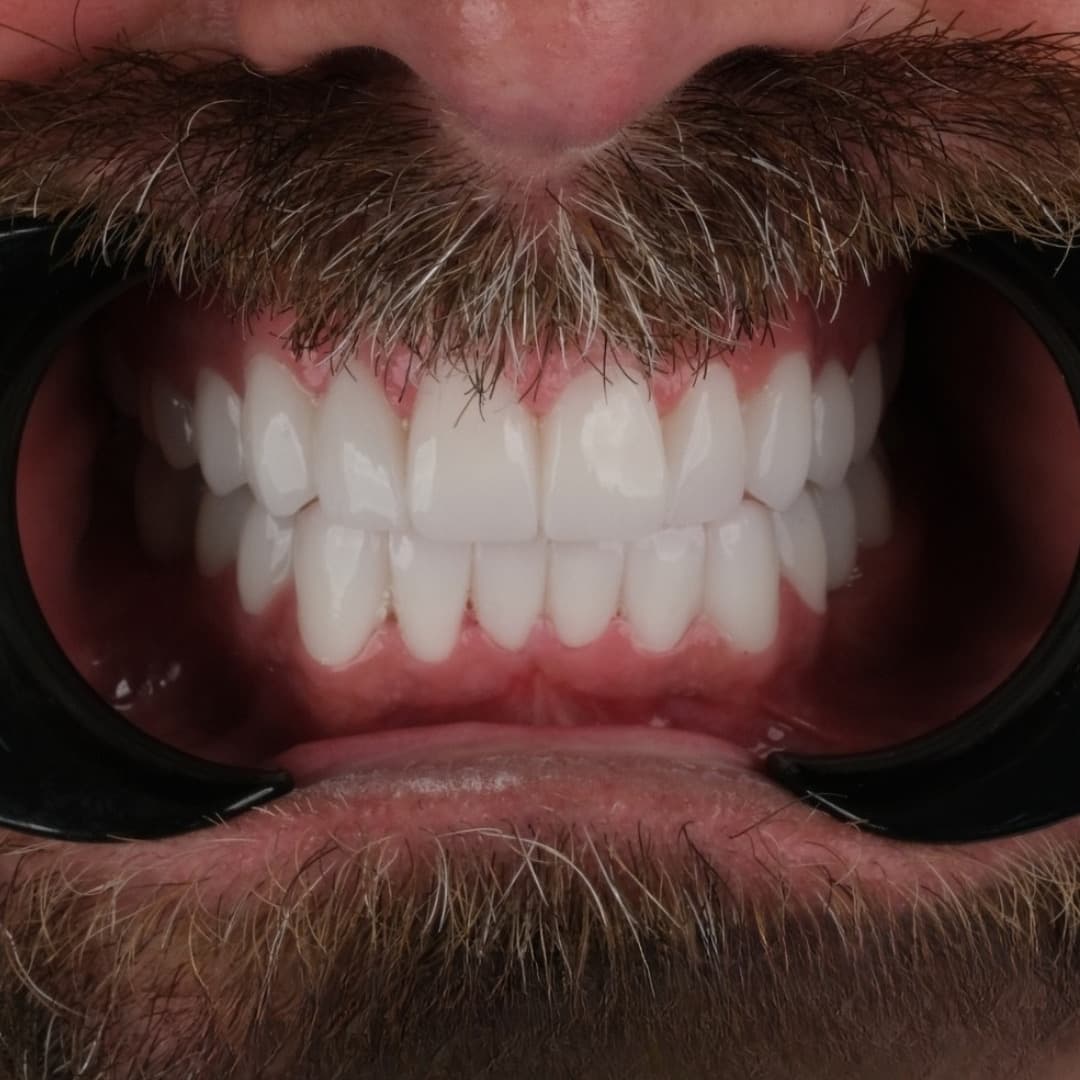
A veneer or crown used in aesthetic smile design wraps around or bonds to the front of the tooth in close contact with the gumline. Rather than replacing tooth structure, it adds a protective, tooth-coloured layer over what is already there.
Why Veneers Protect, Rather Than Weaken, a Tooth
This matters most for teeth that already have a large filling: the veneer covers the entire visible surface, shielding it from external forces and allowing much longer use than the filling alone would provide. Rather than weakening a tooth, a well-fitted veneer shields it from the everyday forces, chewing, temperature change, minor knocks, that would otherwise wear down an already-compromised tooth faster.
How Much Natural Tooth Is Actually Removed?
For a traditional porcelain veneer, a thin layer of enamel, typically 0.3 to 0.7mm, is removed from the front surface to make room for the veneer and keep the final result looking natural rather than bulky. This is far less tooth structure than a crown requires, and it is limited to enamel, the tooth’s hardest, non-living outer layer.
What Actually Determines How Long a Veneer, and the Tooth Underneath, Last
Longevity comes down to the same habits that protect any tooth:
- Regular brushing and flossing, since the edge where the veneer meets the natural tooth can still decay if plaque builds up there
- Avoiding biting hard objects (ice, pen caps, fingernails) directly with veneered teeth
- Wearing a night guard if you grind or clench your teeth, since that force is transferred through the veneer to the tooth and its bond
- Keeping up routine dental check-ups, so any small issue at the margin is caught early
How Long Do Veneers Actually Last?
With that kind of normal care, traditional porcelain veneers typically last at least ten years, and often well beyond that, while the natural tooth underneath stays protected rather than weakened.
The Bottom Line
A properly placed veneer does not shorten the life of your natural tooth. If anything, it gives an already-vulnerable tooth, one with a large filling, minor damage, or a cosmetic flaw, an extra protective layer, while keeping the vast majority of the tooth’s own structure intact.
What Actually Damages a Veneer (and the Tooth Underneath)
The main risks are not from normal daily use, but from avoidable habits: biting hard objects directly with veneered teeth, untreated teeth grinding at night, and going years without a check-up so a small issue at the edge of the veneer is caught late instead of early.
When a Crown, Not a Veneer, Is the Better Choice
Veneers are the right, protective option for a tooth that is largely intact and just needs a cosmetic correction. A tooth that already has a large filling, a root canal, or significant structural damage needs the fuller coverage of a crown instead, since a veneer alone would not adequately protect what little natural tooth structure remains.