
Dr. Aşkın Dilara Kaynak
Fachärztin für Mund-, Kiefer- und Gesichtschirurgie
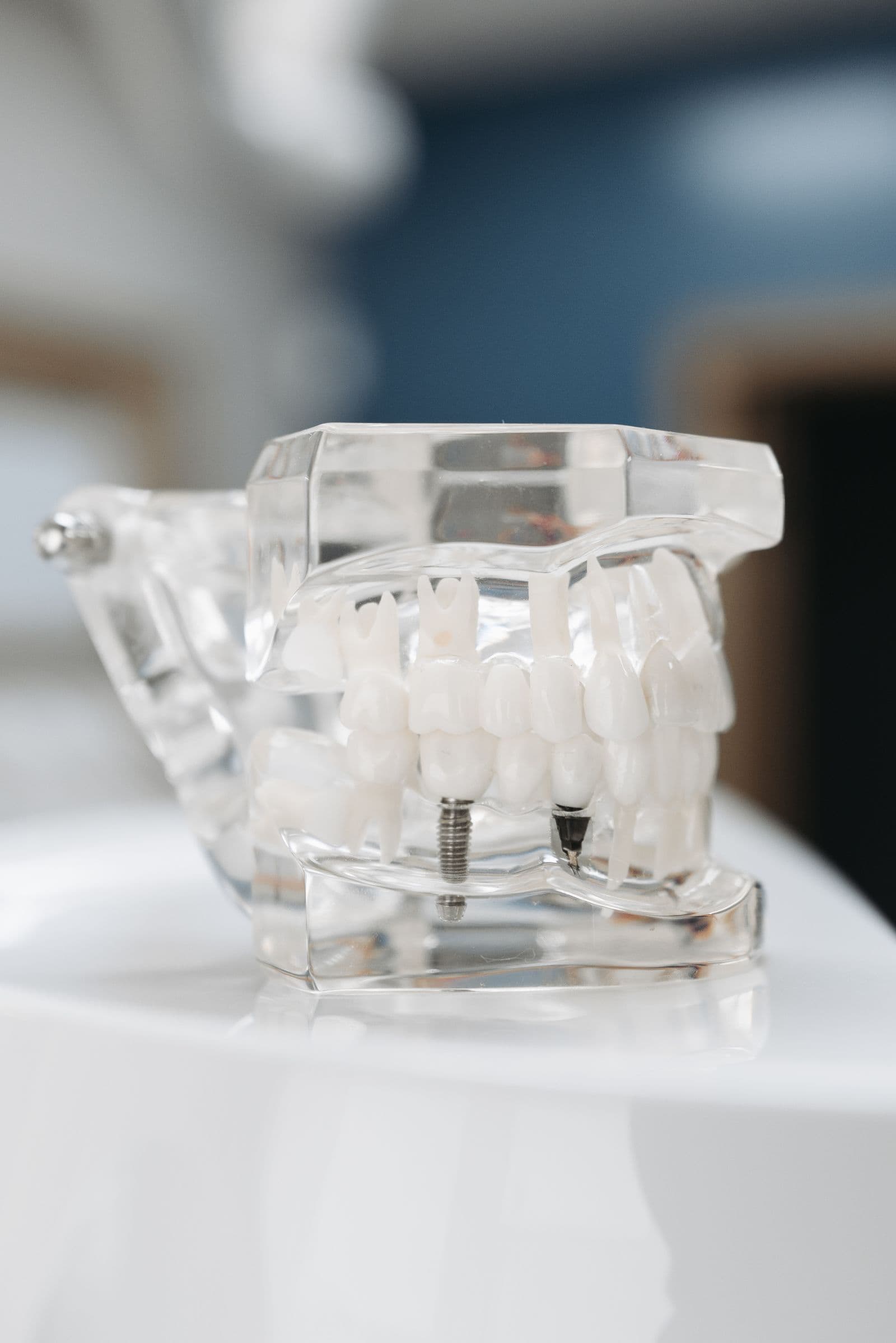
Die Lebensdauer von Zahnimplantaten kann je nach vielen Faktoren variieren, doch bei richtiger Pflege und günstigen Bedingungen können Implantate ein Leben lang halten. Das Implantat selbst (die Titanschraube, die in den Kieferknochen eingesetzt wird) und die darauf befestigte prothetische Krone können unterschiedliche Lebensdauern haben, daher muss die Lebensdauer des Implantatsystems in Bezug auf diese beiden Teile beurteilt werden.
Lebensdauer des Zahnimplantats:
Titanimplantate können in der Regel ein Leben lang halten, wenn die Osseointegration (Verwachsung mit dem Knochen) erfolgreich verläuft. In den meisten Fällen kann das Implantat selbst 20 Jahre oder länger halten, manche Patienten nutzen ihre Implantate sogar 30-40 Jahre.
Lebensdauer der Prothese/Krone auf dem Zahnimplantat:
Kronen, Brücken oder Prothesen, die auf dem Implantat angebracht werden, halten in der Regel zwischen 5 und 15 Jahren. Das hängt von der Qualität des verwendeten Materials, den Mundhygienegewohnheiten des Patienten und der mechanischen Belastung der Prothese ab. Porzellankronen halten beispielsweise in der Regel 10-15 Jahre, während Zirkonkronen länger halten können.
Faktoren, die die Lebensdauer von Zahnimplantaten beeinflussen:
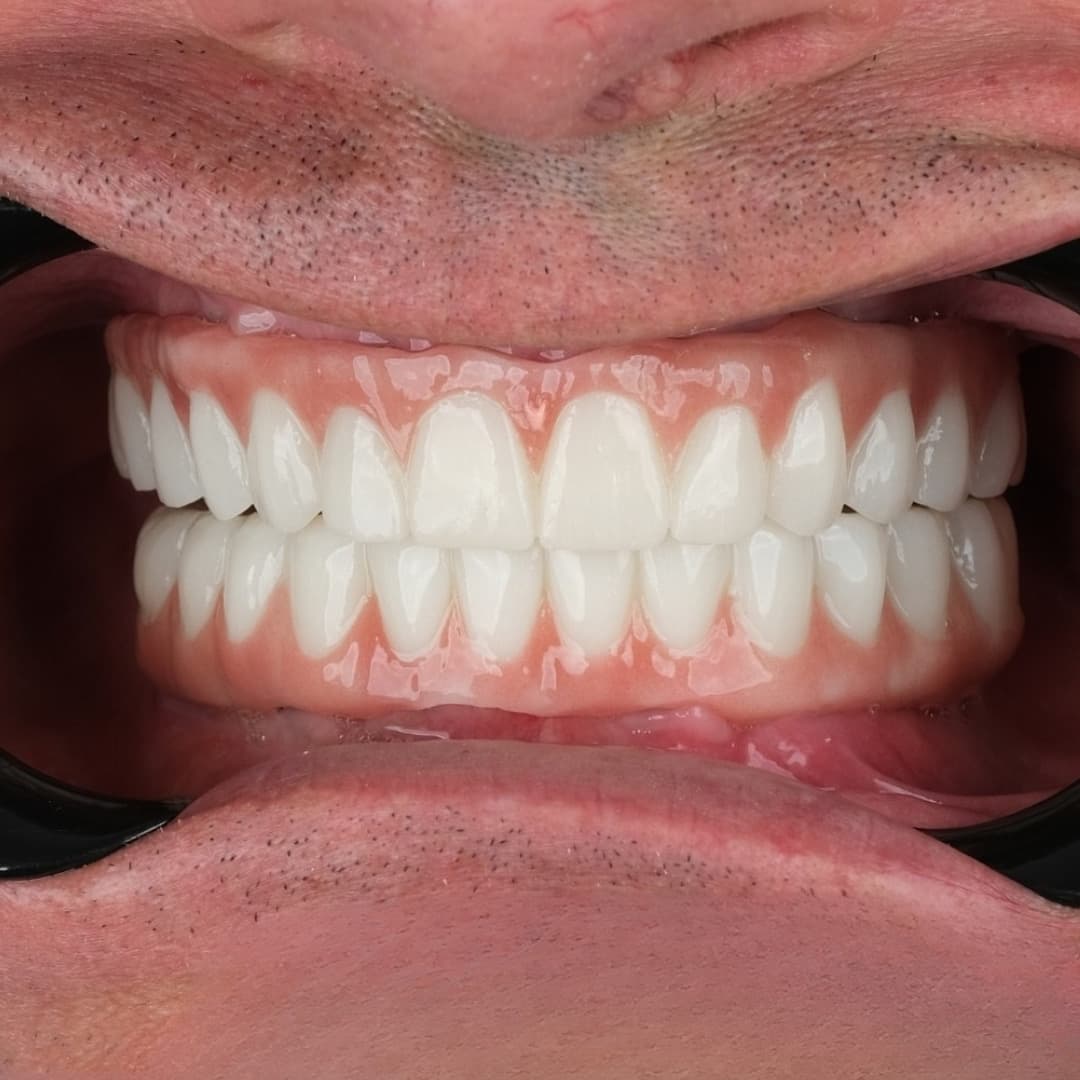
Wie lange Zahnimplantate halten, hängt von den folgenden Faktoren ab:
Gute Mundhygiene spielt eine entscheidende Rolle für die Langlebigkeit von Implantaten. Periimplantitis (Entzündung des Gewebes um das Implantat) kann durch mangelnde Mundhygiene entstehen und zum Implantatverlust führen.
Eine feste Verwachsung des Implantats mit dem Kieferknochen ist wichtig für seine Langlebigkeit. Unzureichendes Knochenvolumen oder geringe Knochendichte können die Stabilität des Implantats beeinträchtigen.
Gewohnheiten wie Zähneknirschen (Bruxismus) oder das Kauen harter Lebensmittel können das Implantat oder die Prothese übermäßig belasten und ihre Lebensdauer verkürzen.
Unkontrollierter Diabetes, Erkrankungen des Immunsystems oder Zustände, die den Knochenstoffwechsel beeinflussen (z. B. Osteoporose), können den Erfolg des Implantats beeinträchtigen.
Die korrekte Platzierung des Implantats ist entscheidend für seine Langlebigkeit. Eingriffe, die von einem erfahrenen Zahnarzt oder Mund-, Kiefer- und Gesichtschirurgen durchgeführt werden, verringern das Komplikationsrisiko.
Kliniken, die hochwertige Materialien und fortschrittliche Technologie einsetzen, bieten haltbarere und zuverlässigere Ergebnisse.
Das Material (z. B. Porzellan, Zirkonium oder Acryl) und das Design der Prothese, die auf dem Implantat angebracht wird, beeinflussen ihre Haltbarkeit. Zirkonkronen sind zum Beispiel ästhetischer und langlebiger.
Wichtig ist zudem, dass die Prothese korrekt angepasst wird (Bissanpassung); andernfalls kann es durch Überlastung zu Rissen oder einer Lockerung der Prothese kommen.
Lebenserwartung und Ersatzprozesse:
Das Implantat selbst: Bei erfolgreicher Osseointegration können Implantate in der Regel ein Leben lang halten. In seltenen Fällen (z. B. bei einem Trauma oder einer schweren Infektion) kann jedoch ein Austausch des Implantats notwendig werden.
Austausch der Prothese: Kronen oder Prothesen können innerhalb von 5-15 Jahren aufgrund von Abnutzung, Rissen oder ästhetischen Bedenken ausgetauscht werden. Der Austausch der Prothese ist ein relativ einfacher Eingriff, der durchgeführt werden kann, ohne das Implantat selbst zu beeinträchtigen.
Wartung und Reparatur: Kleinere Probleme (z. B. eine lockere Schraube oder ein kleiner Riss) können in der Regel leicht repariert werden und verlängern die Lebensdauer des Implantats.
Anzeichen, dass ein Implantat oder eine Krone Aufmerksamkeit benötigt
Ein Zahnimplantat selbst „verschleißt” selten so, wie es ein natürlicher Zahn kann, doch einige Anzeichen sind eine Kontrolle wert:
- Leichte Lockerheit oder Beweglichkeit der Krone, Brücke oder Prothese, die am Implantat befestigt ist (die häufigere Ursache ist meist die Implantatschraube oder die Prothese, nicht der Implantatpfosten selbst)
- Anhaltende Zahnfleischreizung, Blutung oder Schwellung rund um das Implantat, was auf Periimplantitis (Zahnfleischerkrankung um ein Implantat) hindeuten kann
- Eine Veränderung des Bisses oder wie die Zähne aufeinandertreffen, was im Laufe der Zeit zu ungleichmäßigem Druck auf das Implantat führen kann
- Sichtbare Abnutzung der Kronenoberfläche nach vielen Jahren normaler Nutzung
Wie Sie die Lebensdauer Ihres Implantats verlängern
Dieselben Gewohnheiten, die natürliche Zähne schützen, schützen auch ein Implantat, und sind ebenso wichtig:
- Putzen und reinigen Sie täglich zwischen dem Implantat und den Nachbarzähnen, genau wie bei natürlichen Zähnen
- Halten Sie die halbjährlichen Kontrolltermine ein, damit frühe Anzeichen einer Zahnfleischentzündung um das Implantat erkannt werden, bevor sie fortschreiten
- Vermeiden Sie Rauchen, einen der größten Risikofaktoren für Implantatverlust und Zahnfleischprobleme rund um Implantate
- Verwenden Sie eine Knirscherschiene bei Zähneknirschen oder Kieferpressen, da diese übermäßige Kraft direkt auf das Implantat übertragen wird
Wann ist ein Austausch notwendig?
Der Titanimplantatpfosten selbst ist darauf ausgelegt, ein Leben lang zu halten, sobald er richtig mit dem Kieferknochen verwachsen ist (Osseointegration). Was im Laufe der Jahre typischerweise Aufmerksamkeit benötigt, ist der sichtbare Teil: die Krone, Brücke oder Prothese darauf, die eine separate Komponente vom Implantatpfosten ist und unabhängig ausgetauscht oder repariert werden kann, ohne das Implantat selbst zu berühren.
Häufig gestellte Fragen
Kann ein versagendes Implantat gerettet werden?
Oft ja, wenn es frühzeitig erkannt wird. Eine Zahnfleischentzündung um ein Implantat (Periimplantitis) kann in der Regel mit einer Tiefenreinigung und, falls nötig, einem kleinen Eingriff behandelt werden, bevor sie zu Knochenabbau um das Implantat fortschreitet.
Beeinflusst die Implantatmarke die Lebensdauer?
Ja, bis zu einem gewissen Grad. International zertifizierte Marken mit einer langen klinischen Erfolgsbilanz (wie Straumann, Nobel Biocare oder Neodent) verfügen über umfangreiche Langzeitdaten zu ihren Erfolgsraten, was einer der Gründe ist, warum BGZ Dental Turkey ausschließlich zertifizierte Marken verwendet.