
Dr. Aşkın Dilara Kaynak
Chirurgienne maxillo-faciale et orale
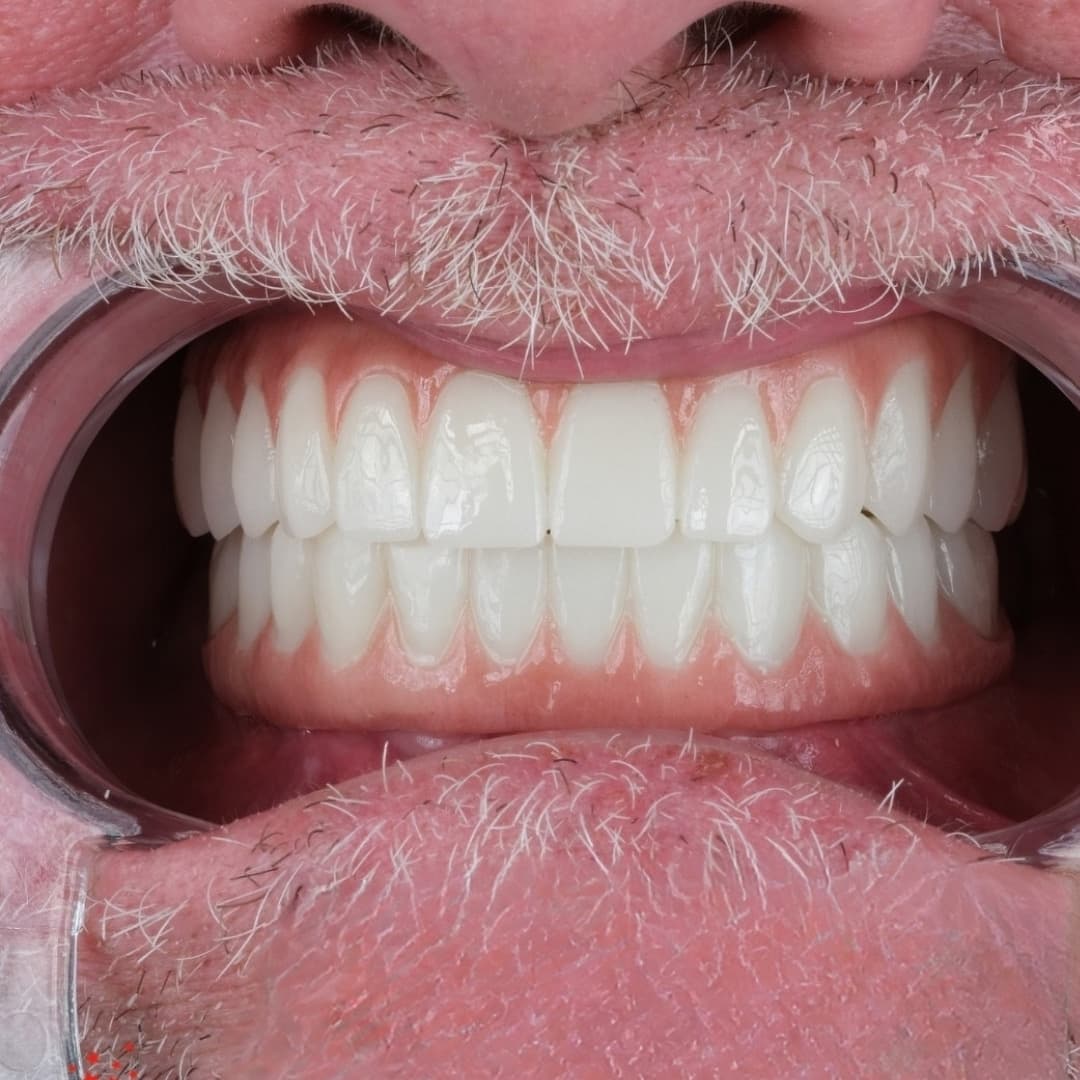
L'implant est posé dans l'os de la mâchoire en cas de perte dentaire unique, multiple ou complète. Une fois qu'il a fusionné avec l'os, une couronne ou un bridge esthétique est réalisé par-dessus afin d'éliminer entièrement le déficit dentaire du patient.
Pourquoi l'os compte-t-il pour un implant
Un implant dentaire fonctionne parce que le titane fusionne directement avec l'os vivant, un processus appelé ostéo-intégration. Cela signifie que l'implant a besoin d'une quantité d'os suffisante, en hauteur comme en largeur, à l'endroit où il est posé, pour le maintenir fermement et permettre à cette fusion de se produire correctement.
Qu'est-ce que la résorption osseuse ?
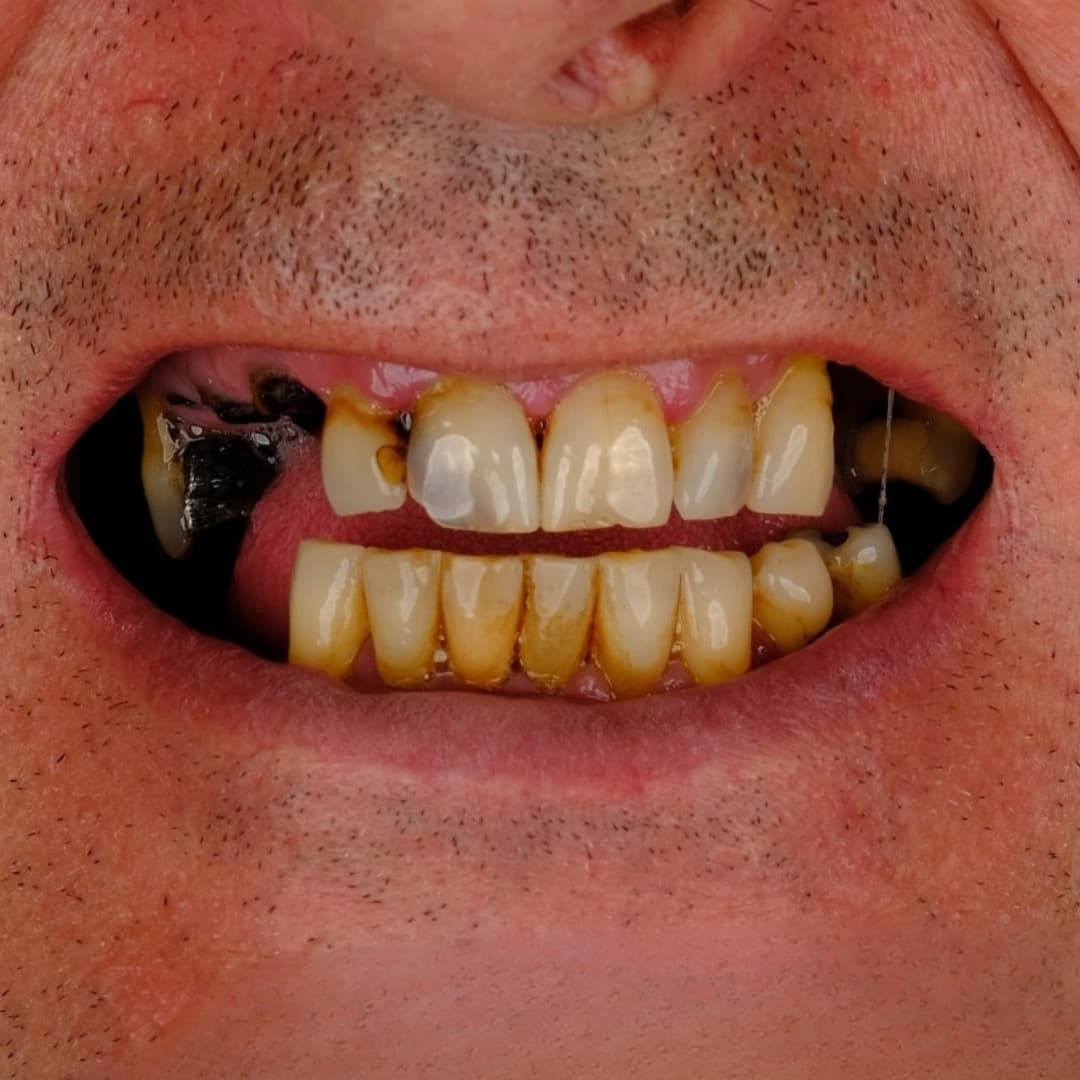
La résorption osseuse se produit lorsque l'os de la mâchoire s'amincit ou se rétracte après l'absence prolongée d'une dent. L'os est un tissu vivant qui a besoin de la pression de la mastication pour maintenir sa densité ; une fois qu'une dent (et sa racine) a disparu, l'os qui la soutenait n'est plus stimulé et se résorbe progressivement. Plus un espace vide reste non traité longtemps, plus la perte osseuse est généralement importante.
Peut-on encore poser un implant en cas de perte osseuse ?
Dans presque tous les cas, oui. Une grande variété de méthodes d'apport osseux sont utilisées pour reconstruire le site au préalable : os artificiel sous forme de greffe, de bloc ou de granulés, ou renforcement osseux prélevé sur le propre corps du patient. Une fois que cette greffe s'est intégrée à l'os existant, généralement après une période de cicatrisation, l'implant peut être posé sur une base solide.
Comment l'approche adéquate est-elle déterminée ?
L'étendue de la résorption est évaluée par imagerie 3D (CBCT) avant toute décision. Cela permet au dentiste de voir la hauteur, la largeur et la densité exactes de l'os restant à cet endroit, et de planifier l'approche de greffe adéquate, ou, spécifiquement pour la mâchoire inférieure, d'incliner l'implant pour tirer le meilleur parti de l'os disponible, avant même la pose de l'implant.
À quoi s'attendre si une greffe osseuse est nécessaire au préalable
Une greffe osseuse ajoute une période de cicatrisation avant la pose de l'implant, généralement quelques mois, afin que le matériau greffé puisse s'intégrer correctement à l'os existant de votre mâchoire. Dans certains cas, lorsque la perte osseuse est légère, la greffe et l'implant peuvent être posés lors de la même visite. Votre dentiste confirme ce qui s'applique à votre cas après avoir examiné votre imagerie.
Pourquoi attendre plus longtemps complique le traitement
Plus une dent manquante reste non remplacée longtemps, plus l'os a tendance à se résorber, ce qui est l'une des raisons pratiques pour lesquelles les dentistes recommandent de remplacer une dent manquante le plus tôt possible. Y remédier tôt peut signifier une pose d'implant plus simple ; attendre des années peut signifier qu'une greffe osseuse devienne nécessaire alors qu'elle ne l'aurait peut-être pas été autrement.
En résumé
La résorption osseuse est une conséquence courante et bien comprise de la perte dentaire, et elle ne constitue pas une raison d'écarter la pose d'un implant dentaire. Avec l'imagerie adéquate et, si nécessaire, une greffe osseuse au préalable, des implants adaptés à la mâchoire peuvent être posés en présence de presque tous les degrés de perte osseuse.
Qui devrait se renseigner à ce sujet avant un traitement ?
Toute personne ayant une ou plusieurs dents manquantes depuis longtemps, portant des prothèses depuis des années, ou s'étant vu dire par le passé qu'elle « n'a pas assez d'os » pour un implant, devrait tout de même faire réaliser un scanner 3D actualisé et obtenir un avis approprié. Les techniques de greffe osseuse ont beaucoup progressé, et un « non » d'il y a quelques années devient souvent un « oui, avec une greffe au préalable » aujourd'hui.